Sugarloaf Basecamp
Plan your first day

A first-timer's guide to Sugarloaf

Sugarloaf looks complicated on paper and becomes intuitive once you understand one thing: most of the mountain returns toward the same broad base, but each side offers a distinctly different day.

10 min readUpdated August 9, 2026By Sugarloaf Basecamp
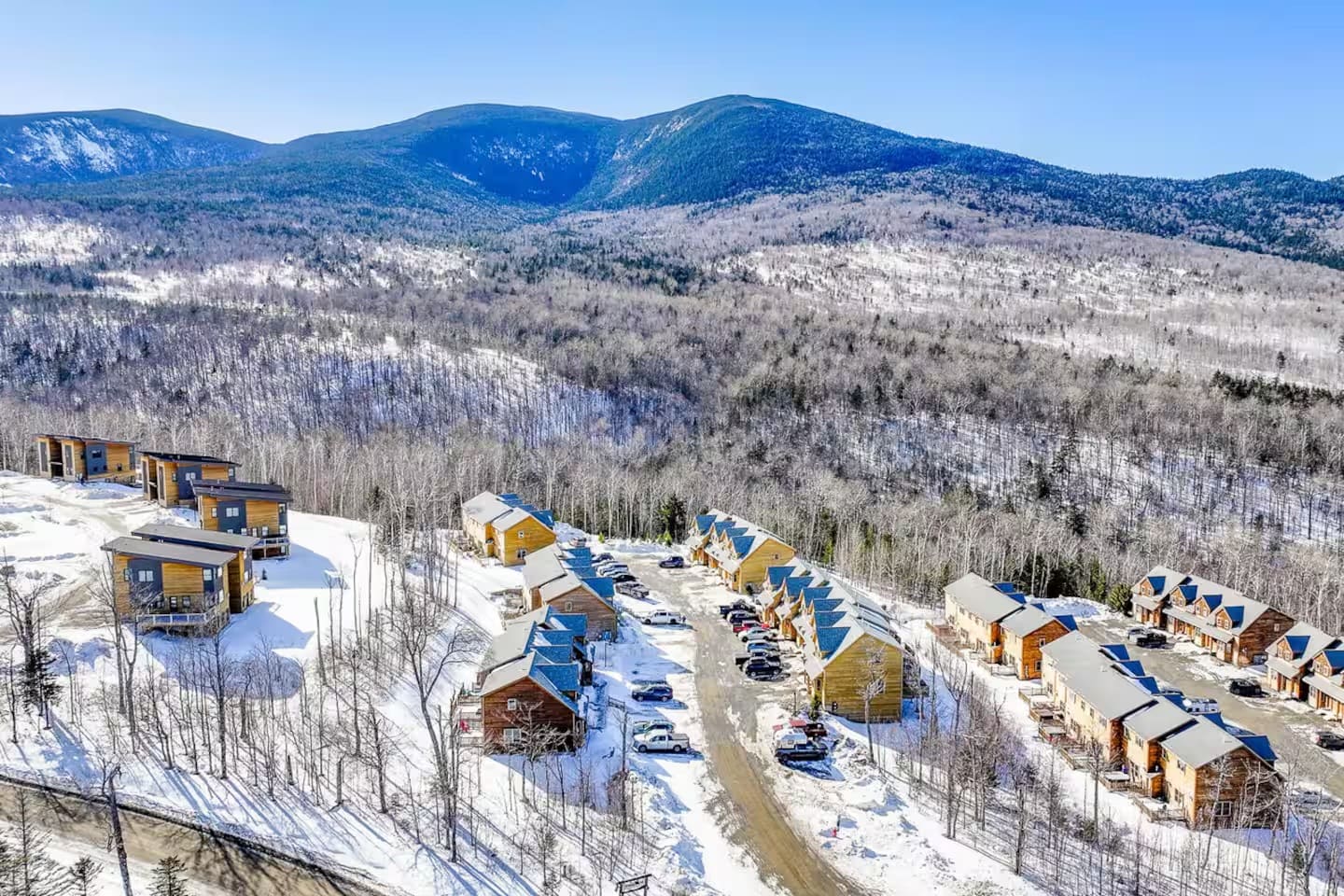
Carrabassett Valley covered in snow beneath the Bigelow Range
Winter in Carrabassett Valley. Sugarloaf's exposed setting is part of both its scale and its weather.

Read the mountain from west to east

West Mountain is the gentler, lower-elevation side: long novice and intermediate runs, a separate parking area and room to settle in. The central mountain—SuperQuad, Double Runner, Skyline and Timberline—holds the signature vertical, broad groomers and summit access. Whiffletree is the family and progression zone. King Pine is steeper and is the gateway to Brackett Basin.

That is enough geography for day one. You do not need to ski every lift. Pick two or three zones that match the day's weather and your legs, then leave something for tomorrow.

A sensible first run

For a comfortable intermediate, Tote Road is the classic orientation lap. It is long, scenic and generally mellow, though the well-known Chicken Pitch section can become scraped or bumped later in the day. Ski it early, learn where the crosscuts enter, and use that information for the rest of the day.

Newer skiers should begin in the designated learning terrain and progress with an instructor or current trail map toward Whiffletree or West Mountain. Experts should still take a warm-up lap. Sugarloaf's trail ratings can feel very different after wind, thaw or refreeze.

Three one-day outlines

Beginner to cautious blue skier

Start in the learning area, then use West Mountain or Whiffletree for longer green and approachable blue mileage. Keep the return to the base simple and finish before tired legs turn every intersection into work.

Comfortable intermediate

Warm up on Tote Road, explore groomed terrain from SuperQuad, then move to Whiffletree or West Mountain. If Timberline is running and visibility is good, a summit ride is worth it for the perspective.

Advanced skier

Use the report to decide whether the best first objective is Skyline, King Pine or summit terrain. Ski the high-value natural snow early, then move to groomers as traffic and surfaces change.

Weather changes the map

Sugarloaf is exposed. A calm base can coexist with firm wind and poor visibility higher up. A trail name is not a promise: grooming, new snow, temperature and traffic determine its real difficulty that day.

Read the report for scheduled lifts, grooming and holds, then look at summit wind—not only the valley temperature. Pack a second goggle lens or low-light option. On a cold day, plan shorter loops with indoor stops instead of discovering at the top that your group is already done.

Arrival, gear and lunch

Arrive early on weekends and storm days. Use the marked drop zone if your group has children or a large gear load, then follow parking and shuttle directions rather than improvising along the Access Road. The base is broad and flatter than it appears on the map; a few minutes spent orienting saves awkward skating later.

The Base Lodge is the practical place to reset. Mid-mountain, Bullwinkle's is a destination lunch only when the surrounding lifts and trails fit your group. The Bag & Kettle, D'Ellies and Java Joe's are reliable village anchors; hours vary, especially midweek and between seasons, so verify before making them the sole plan.

What not to chase on day one

The Snowfields, Brackett Basin and Burnt Mountain are memorable because they are conditional. They need coverage; some require navigation, hiking or a return traverse; and none improves when treated like an attraction that must be checked off.

If Brackett is open and your group is capable, read the resort's sidecountry guidance, carry a charged phone, stay together and start with someone who knows the terrain. If it is closed, ski the mountain that is open. Sugarloaf has more than enough conventional terrain for an excellent first trip.

Best first-day rule

Follow the conditions, not the itinerary. The mountain will tell you where the day is.

Practical answers

Frequently asked questions

How many days do you need at Sugarloaf?

Two full days are enough to understand the main mountain. Three or four make sense for strong skiers who want flexibility for weather and natural terrain.

Is Sugarloaf difficult for intermediates?

Sugarloaf has extensive intermediate terrain, but ratings feel harder when surfaces are firm. Start with groomed trails in familiar zones and progress based on that day's conditions.

What should I ski first at Sugarloaf?

Tote Road is the classic first orientation lap for a comfortable intermediate. Beginners should start in the current learning area; advanced skiers should use the morning report to choose their first high-value zone.

Planning notes & sources

Mountain operations, hours and trail status change. We use official resort pages for current facts and local discussions for lived context; always verify the day's report before leaving.

Keep planning

Related Sugarloaf guides